If you’ve ever used an e-bike or an electric vehicle (EV), you’ve probably run into issues like “sudden drops in range” or “batteries losing capacity after just two years” — as it turns out, most of these problems are related to a component called the Battery Management System (BMS).
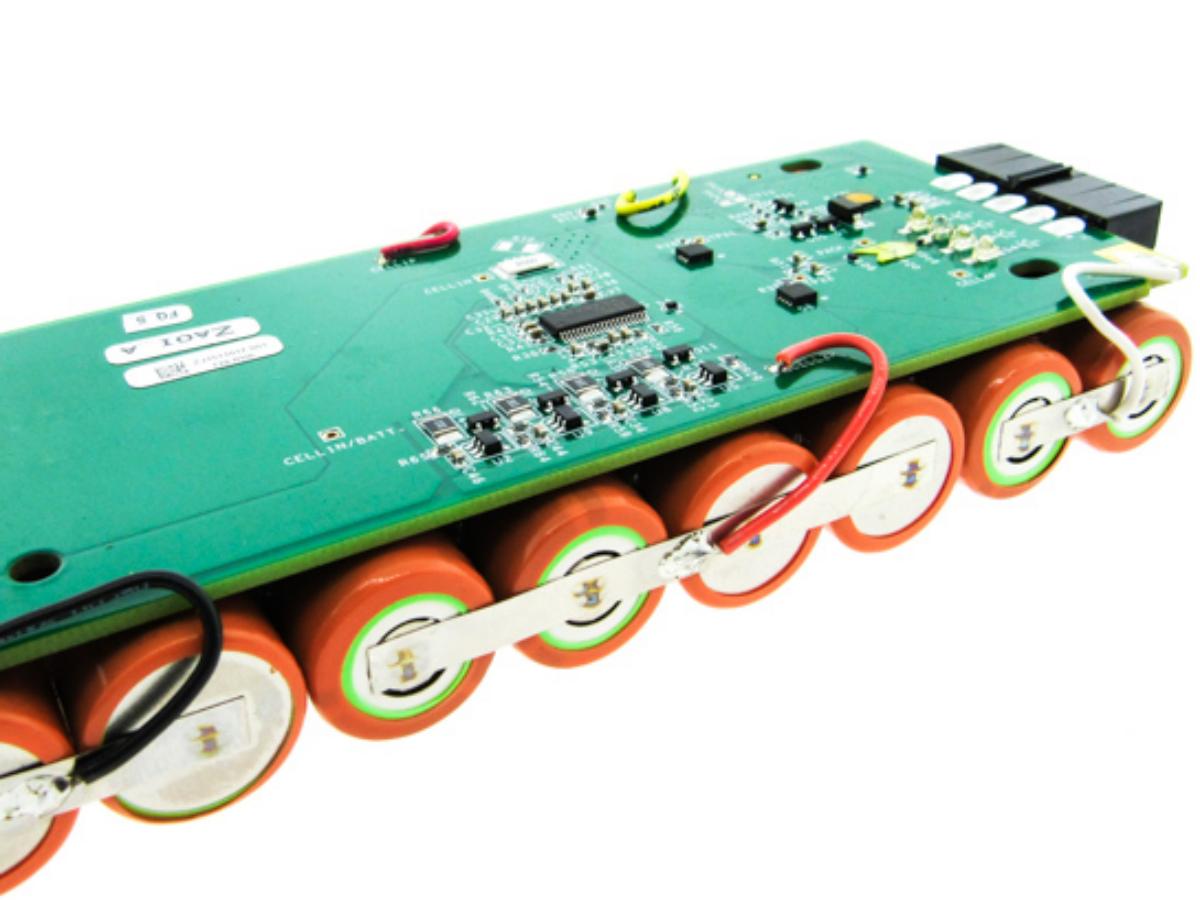
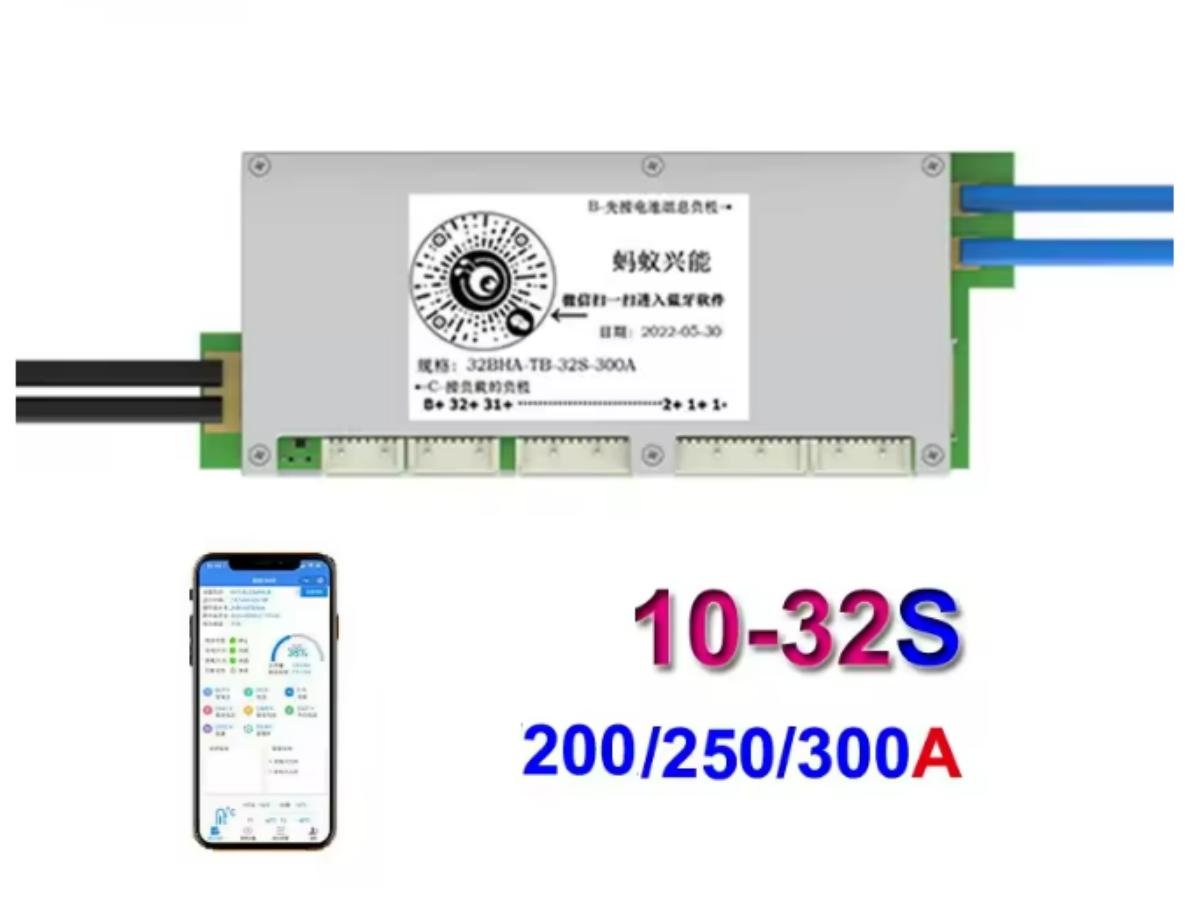
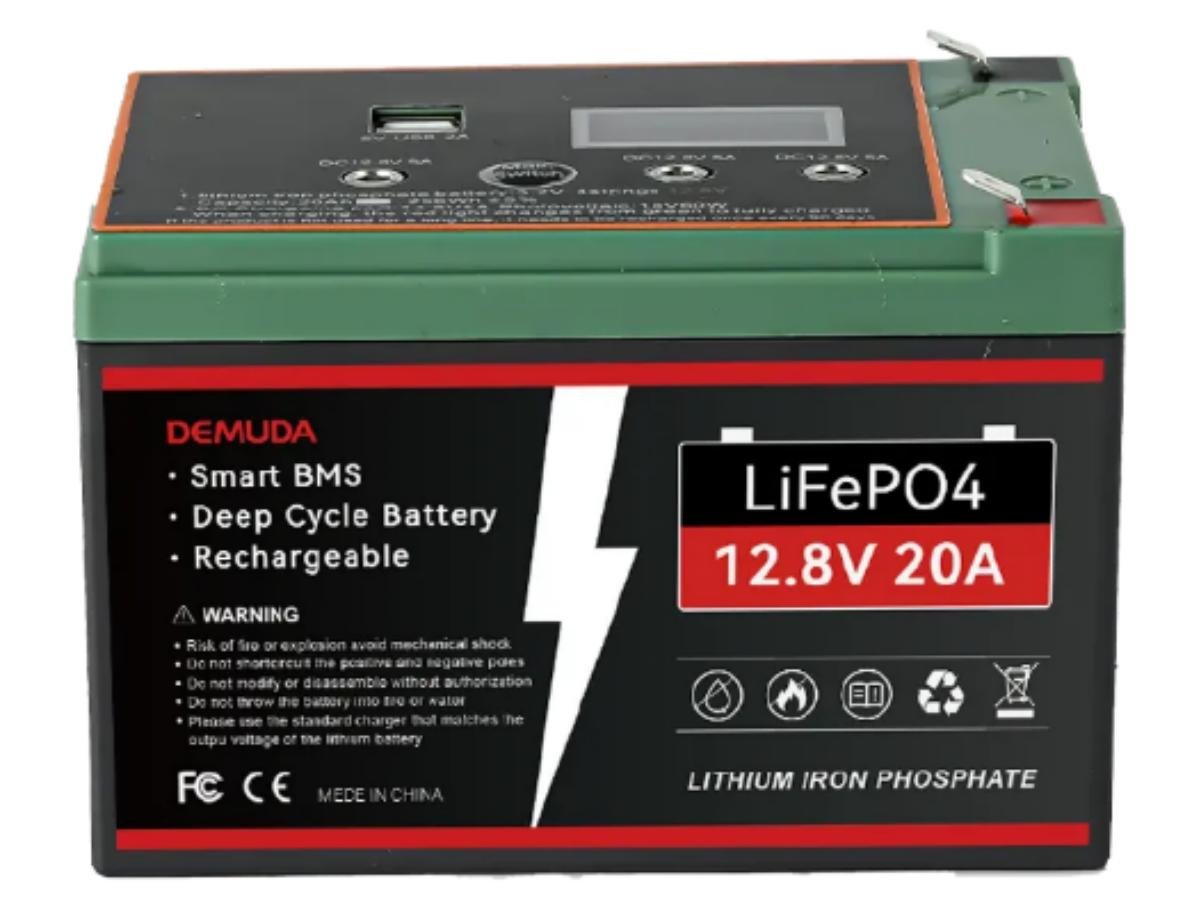
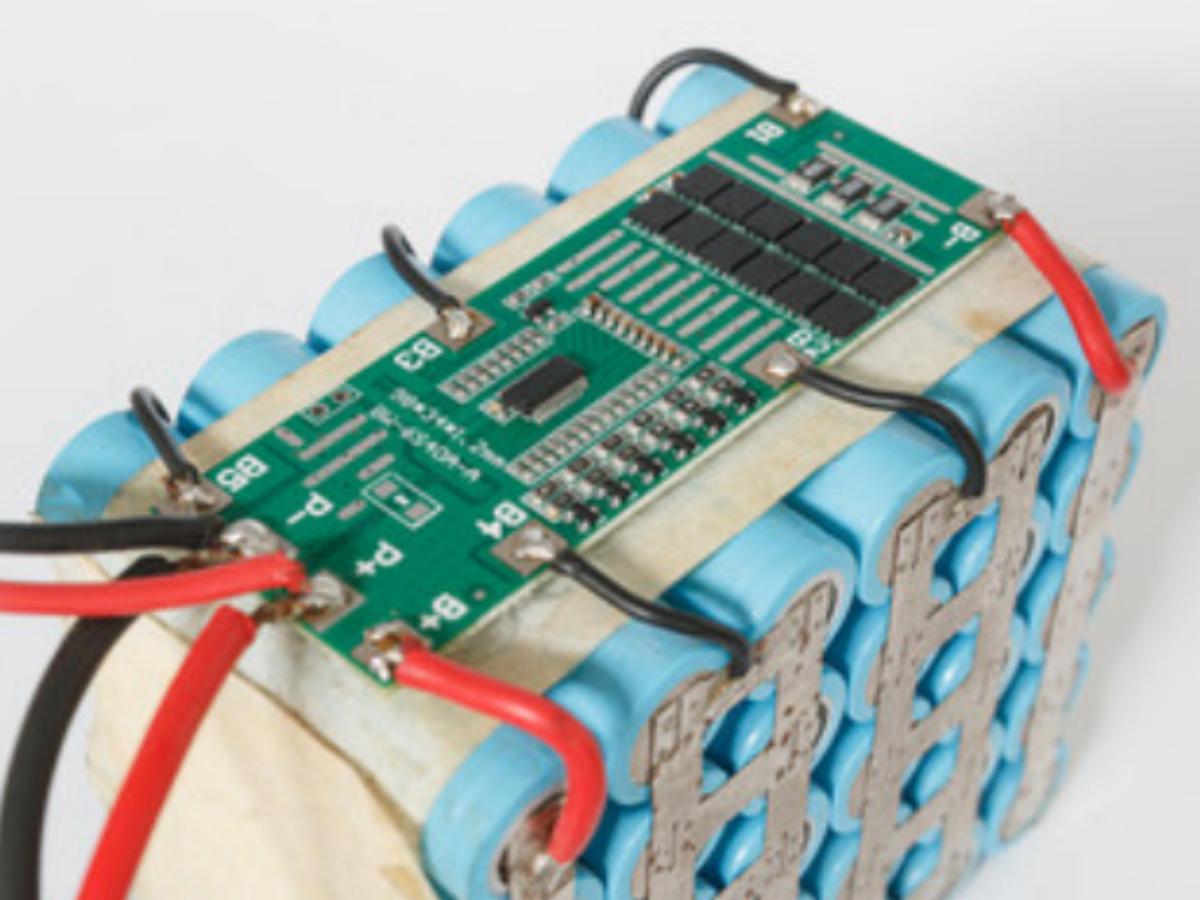
Put simply, the BMS is like the “housekeeper” for the battery pack, but far more precise than a regular housekeeper. It keeps an eye on hundreds, even thousands, of battery cells (for example, an EV battery pack usually has over 200 cells), monitoring their voltage and temperature in real time. It also controls the charging and discharging rhythm to make sure the battery doesn’t bulge from overcharging or get damaged from over-discharging. Finally, it ensures all cells work in sync.
Notably, a battery pack isn’t just a bunch of cells piled together. Sometimes, even if all the cells inside are brand new, the pack still can’t fully charge. The reason? A few of those cells have a voltage that’s 0.2V lower than the rest — this is the trap of the “bucket principle” (where a bucket’s capacity is determined by its shortest stave): even if 99% of the cells are in good condition, just one cell “holding things back” will cap the entire battery pack’s performance. The BMS’s job here is to spot these underperforming cells early: either it tops up their charge, or it limits their load, so all cells stay in roughly the same condition.
In fact, the BMS is hidden in many devices you use daily: When your phone charges to 100% and shuts off automatically, that’s the BMS preventing overcharging. When your laptop alerts you to “save files” when the battery is low, that’s the BMS preventing over-discharging. Even your wireless earbuds, which show you “remaining battery,” rely on a tiny BMS calculating that in real time. It might not be noticeable, but without it, batteries would drain faster — and be unsafe too.
Many people think a battery only needs to charge, and a BMS doesn’t matter. But there are far too many cases of problems caused by missing or substandard BMS: Someone’s electric tricycle battery swelled up during charging and nearly set the seat on fire—all because they used a no-name charger (after the original BMS broke and wasn’t repaired). Another person bought a cheap power bank; after six months, it took just 1 hour to fully charge but died in 20 minutes. When they took it apart, they found the cells inside were ruined by overcharging and over-discharging. These are all consequences of a missing or failing BMS.
The importance of a BMS lies mainly in three practical areas that directly affect your use:
First is safety. A lithium nickel-cobalt-manganese (NCM) battery pack without a BMS? When charged to 4.5V (the normal cutoff voltage is 4.2V), its cells start smoking in less than 10 minutes, and the temperature spikes to 180°C instantly. With a BMS, though, the charging circuit cuts off as soon as the voltage hits 4.2V—this risk disappears entirely. Beyond overcharging, low temperatures are another big issue. In northern China, electric vehicles lose range in winter, but that’s actually the BMS protecting the battery. It limits charging current to prevent lithium dendrites from forming in cells during low-temperature charging. The range gets shorter, but it avoids permanent battery damage.
Second is extending lifespan and boosting performance. My own e-bike is 3 years old, and its range still keeps 80% of its original capacity. The secret is the BMS’s “balancing function”: it transfers power from cells with higher voltage to those with lower voltage (active balancing technology, for example, achieves over 90% efficiency), preventing some cells from overcharging while others over-discharge. For some older e-bikes, when the BMS breaks, battery lifespan drops from 3 years to just 1. But replacing it with a new BMS lets the battery last another 2 years. What’s more, the BMS saves you hassle—like the range prediction for electric cars: it’s calculated by the BMS based on the current state of cells, knowing which can work and which need rest.
Third is an often-overlooked point: the BMS is a mandatory requirement for product compliance. For example, any e-bike you buy must meet the GB 18384 standard, which explicitly requires the BMS to monitor battery insulation. Portable ultrasound machines in hospitals? Their battery BMS must be able to self-diagnose faults—otherwise, they can’t pass the IEC 60601-1 certification.
Some might argue that adding a BMS increases costs. But in the long run, it actually saves money. A battery in an energy storage station, for instance, can last 3–5 years longer with a BMS. Avoiding one battery replacement alone saves hundreds of thousands of yuan. Plus, it prevents accidents like fires or swelling—no need to cover equipment damage costs, and the risk of safety incidents drops significantly.
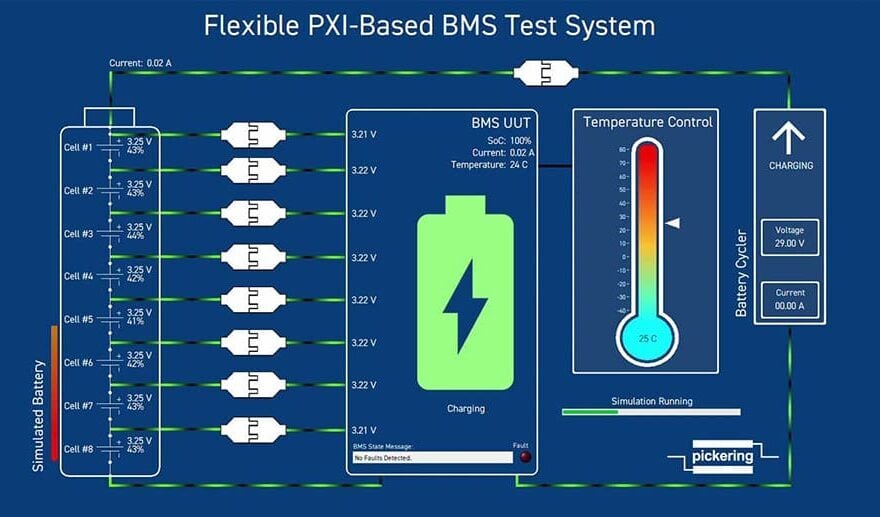
For a Battery Management System (BMS) to properly manage a battery, its first step is to get a clear grasp of the battery’s “condition.” Equipped with sensors and collection circuits, the BMS is like having a built-in “health monitor” that focuses on several key metrics. Take the voltage of each battery cell, for example: for lithium-ion batteries, the normal voltage of a single cell typically ranges from 3.0V to 4.2V, and the BMS must monitor this with millivolt-level precision—even the smallest deviation matters. That’s because if just one cell has a voltage that’s too high (overcharged) or too low (over-discharged), the entire battery pack could be damaged.
The BMS also keeps an eye on charging and discharging currents. When an e-bike accelerates, for instance, the discharge current can reach several hundred amps. If the current spikes unexpectedly (such as during a short circuit), the BMS must act quickly to address it. Meanwhile, this current data is also used to calculate how much charge the battery has left. Temperature monitoring is equally critical: the BMS uses NTC thermistors to measure the temperature of the battery itself, its casing, and the surrounding environment. If the temperature exceeds 60°C, there’s a risk of thermal runaway; if it drops below -10°C, both charging and discharging efficiency plummet sharply.
After getting a clear picture of the battery’s condition, raw data alone is useless. The BMS then translates this data into actionable information—a process that’s like its “brain” thinking. It uses specialized algorithms (such as the Kalman filter or coulomb counting method) to convert the raw data into key state indicators:
SOC (State of Charge): Think of this as the battery’s “fuel gauge.” It tells users how far an e-vehicle can still travel and determines when charging or discharging should stop.
SOH (State of Health): This is the battery’s “health report.” A new battery has an SOH of 100%; as it ages, if the SOH drops below 80%, you may need to consider replacing it—it shows how much longer the battery can last.
SOP (State of Power): This judges the battery’s “strength”—for example, whether an e-vehicle can accelerate suddenly or use fast charging. Exceeding its power limit can easily damage the battery.
SOE (State of Energy): This calculates the battery’s actual usable energy by combining voltage and current data. In winter, for example, the SOC might show 50%, but the actual usable energy could be as low as 30%—making SOE a more accurate metric.
Once the battery’s state is calculated, the BMS takes on its most critical role: that of a “bodyguard.” If it detects the battery is outside safe limits, it reacts in milliseconds. For overcharge protection, if a lithium-ion cell’s voltage exceeds 4.3V, the BMS immediately cuts off the charging circuit to prevent lithium dendrites from forming—these are like tiny needles that can pierce the battery’s internal separator and trigger a short circuit. If the voltage drops below 2.5V (a sign of near-complete discharge), it quickly stops discharging; otherwise, the battery may be left in a deeply discharged state and never charge again.
If charging or discharging currents exceed safe levels (for example, a short circuit in an e-vehicle can push current to over 1,000 amps), the BMS triggers a fuse or shuts off the switch. If it detects a direct connection between the positive and negative terminals (such as from a damaged wire), it cuts the circuit instantly to prevent dangerous overheating. For temperature anomalies: if the temperature exceeds 80°C, it first activates cooling systems; if that fails to lower the temperature, it cuts power. If the temperature drops below -10°C, it limits the charging current to avoid lithium dendrite formation.
Beyond emergency protection, the BMS also handles the battery’s “daily maintenance”—solving a common problem known as the “barrel effect.” A battery pack consists of many cells connected in series or parallel. Even if the cells are nearly identical when new, differences emerge over time: some lose capacity, others self-discharge faster. This means the “weakest cell” (the shortest stave in the barrel) will be the first to overcharge or over-discharge, dragging down the entire pack’s capacity and lifespan.
The BMS’s balancing function fixes this, using two methods:
Active balancing: Suitable for high-capacity scenarios like e-vehicles or energy storage stations. It uses inductors, capacitors, or DC-DC converters to transfer power from cells with higher charge to those with lower charge—no energy wasted. For example, it might move power from a cell at 4.2V to one at 3.9V.
Passive balancing: Simpler and ideal for small-capacity batteries (e.g., in phones or small home appliances). It connects a resistor to cells with excess charge, letting the extra power dissipate as heat until their charge matches the other cells. While this wastes a small amount of energy, it’s low-cost and simple in design.
Finally, the BMS doesn’t work in isolation—it collaborates with external devices. Using communication protocols like CAN or TTL, it transmits real-time data to chargers, vehicle control units (VCUs), and user dashboards. In an e-vehicle, for instance, the BMS sends SOC and SOP data to the VCU. The VCU then uses this to determine how much power to supply: if the battery is low, it limits the vehicle’s speed; during energy recovery, it prevents overcharging by avoiding excessive energy feedback.
In short, the BMS’s work follows a complete cycle: from understanding the battery’s condition, to interpreting its state, to providing timely protection and daily maintenance, and finally to collaborating with other systems. This cycle ensures the battery always operates safely and efficiently—whether in an e-vehicle or an energy storage device, the BMS is indispensable.